


Black Maternal Safety &
Accountability in Birth Care
Why Safe Baby Bump Exists
Black maternal and infant death is widely acknowledged—but rarely confronted with accountability, re-education, or actionable change.
SafeBabyBump exists to close the gap between awareness and real-world protection by addressing the clinical, communication, and systemic failures that lead to preventable harm.
MEET THE FOUNDER & CEO
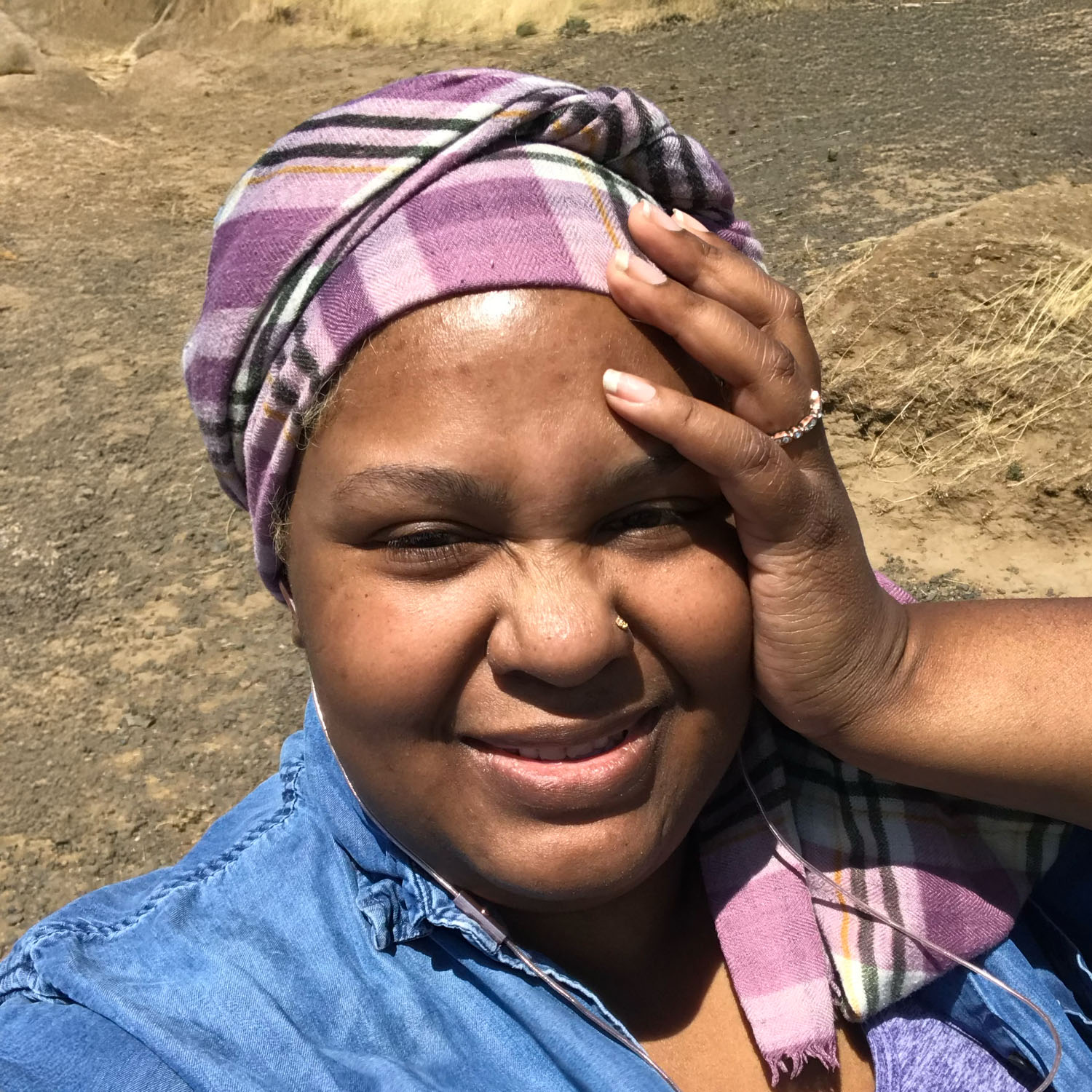
Hi, I'm Frances,
Frances is the founder of Safe Baby Bump and a nationally recognized safety advocate focused on eliminating preventable harm to Black mothers and infants during pregnancy, labor, delivery, and postpartum care.
Her work sits at the intersection of lived experience, historical analysis, and clinical reality. With a BA in History Frances brings deep understanding of how racism in medicine was built, normalized, and sustained particularly in obstetrics and gynecology, her academic focus is on the Antebellum South. She has also independently studied the origins of gynecology and the long-standing mistreatment of Black women in medical spaces.
Frances is a Certified Child Passenger Safety Technician, a trained and certified Phlebotomist, and a longtime safety advocate whose work centers on practical, evidence-based protection—not performative awareness. As a married, college-educated Black woman with private insurance, she has personally experienced racial bias and mistreatment during childbirth, underscoring a critical truth: bias in birth care is not prevented by education, income, or access.
She is a TED Talk speaker and has been featured in conversations on maternal health disparities across communities. Through Safe Baby Bump, Frances works to translate history, data, and real-world stories into actionable guidance that improves safety, accountability, and birth outcomes for Black mothers and infants.


Patient Safety Over Preference
Care decisions must center patient safety—not provider comfort, hierarchy, or convenience.

Communication Is Clinical Care
Breakdowns in documentation, handoffs, and listening directly impact outcomes.


Bias Has Clinical Consequences
Pain bias, tone policing, and stereotypes cause delays, misinterpretation, and preventable harm.

Accountability Improves Outcomes
Clear escalation, reporting, and responsibility protect both patients and ethical providers.
The Safe Baby Bump
Workbook & Crash Course
Beyond Awareness: A Practical Guide to Caring for Black Mothers with Integrity
A scenario-based workbook created for nurses, physicians, educators, and healthcare systems committed to reducing harm and improving outcomes for Black mothers and infants.
What’s Included:
Ready-to-use communication scripts for bedside care
Bias interruption and emotional regulation strategies
Scenario-based clinical decision practice
Guidance for ethical intervention and escalation
Clear documentation and reporting tools
Legal and whistleblower protection language
Full Guide Coming Soon!

Share Your Story
Many people want to share their birth experiences, but those stories are often lost, minimized, or never documented in a way that leads to change. Safe Baby Bump is creating a space where birth stories are collected, preserved, and analyzed with care and intention.
This project will inform a future book and podcast series where selected stories are shared alongside relevant data and statistics based on location—country, state, or city—to highlight patterns, risk factors, and systemic failures that too often remain hidden.
By submitting your story, you are helping to:
- Preserve real experiences that are often dismissed or undocumented
- Connect individual stories to broader data and public-health trends
- Build a collective record that supports accountability, education, and reform
- Ensure stories are handled with respect, context, and purpose
You may share as much or as little as you feel comfortable. Submissions can be anonymous, and identifying details will never be shared without explicit consent.
Your story is not just personal
—it’s data, history, and evidence.
The Problem in Labor & Delivery Units
Black mothers routinely experience failures that place them at greater risk during labor, delivery, and postpartum care, including:
Dismissed or undocumented pain concerns
Delayed treatment despite clear symptom reporting
Being labeled “non-compliant” or “combative” when advocating for themselves
Repeated communication breakdowns among staff
Clinical decisions driven by legal protection rather than patient safety
These are not isolated incidents. They are systemic patterns—and they are preventable.
What Safe Baby Bump Does Differently
Safe Baby Bump goes beyond awareness by providing clear, usable guidance that works inside real clinical environments.
Translates history and data into bedside-ready action
Provides exact, professional language clinicians can use in real time
Addresses bias without defensiveness or abstraction
Connects individual behavior to system-level harm and accountability
This work is practical, uncomfortable, and necessary.
From our Community
Frances has a way with words that just make sense to me. She has educated me about equality in birth and the risks for minority groups being significantly higher than white counterparts. We have to stop turning our eyes when these tragedies keep happening. We need more than awareness, we need change.

- Kaitlin
The information and resources provided, helped me understand how to support my sisters and gave me a greater understanding of the challenges facing Black women when it comes to pregnancy, labor and delivery. This is information that is helpful for anyone seeking to better support family and friends as they embark on a parenting journey.
- Karsalla
Frances’ work has taught me that the alarming Black maternal death rate is unacceptable and completely avoidable. If we want true equity in healthcare, we need more providers who understand the history of how Black communities have been treated in medical spaces, and more advocates from every walk of life to demand change.”

- Liz
This work opened my eyes to how much context, advocacy, and intentional care actually matter in pregnancy and birth. It challenges assumptions, fills in the gaps most people don’t realize exist, and pushes for accountability in systems that impact families every day. This is the kind of resource that stays with you long after you read it.

- Delaney
Contact Frances
Would you like the free guide?